
SEO company in NJ
Find out what's keeping customers from finding you.

Digikor Media is an SEO company in NJ. We research how customers find your services on Google, in map results and in AI answers. You get a clear plan and fix list for your developer, or a new website with SEO built in from the first page.

Know what needs attention, why it matters and what comes first. One fixed quote after the call and the plan.

A small New Jersey company, founded in 2015. Serving New Jersey, New York and beyond.

The SEO tool gives you a high score. What does the customer find?

A high score from an SEO checking tool tells you how a page meets that tool's checklist. We investigate whether the page answers the customer looking for your service.

Take an accountant, for example. The homepage mentions bookkeeping, payroll and tax preparation in one paragraph. A customer looking for payroll help still needs to know what is included and how to get started.

That missing explanation becomes a specific recommendation: what the payroll page must answer, which facts you need to supply and where the contact step belongs. Your developer gets instructions tied to a page. You get the reason it deserves attention.

What does an SEO company do?

An SEO company studies how customers search and identifies the content, website and business information needed to help them find you. Digikor turns that research into a page plan and prioritized recommendations for an existing site, or builds the SEO into a new website.

You should understand the next step before agreeing to it. We explain the problem in business terms, then put the detail your developer needs in the plan.

Search, maps and AI answers: here's what we check

We inspect the page, profile or business information a customer encounters in each place. For example, someone choosing a nearby repair service needs to know what it repairs, where it works and how to contact it.

Choose where the customer looks.

Map results: can customers trust the details?

We compare the Google Business Profile with the website and relevant listings. We check the business category, services, hours, phone number, service area and linked page.

What goes in your plan

The conflicting or missing details and where they appear. We fix the Google Business Profile once you confirm the right information.

AI answers: is there a clear answer to use?

We read your public pages for direct explanations of your services and evidence supporting them. A customer asking which service fits their problem needs more than a list of service names.

What goes in your plan

The unanswered question, the page where its answer belongs and the business facts needed to support it.

We find the searches. Then we read what Google shows.

Our research starts with the services you want to sell and the towns you serve. We find how customers describe those services, then study the pages they see when they search.

Keyword research starts with your customers' words

Keywords are the words people type into Google. We find the searches customers use for each service and town, including wording that differs from what you call the service internally.

We check how often people search each phrase in a month and include those figures in your plan. We also separate searches from people ready to hire from searches by people looking for an explanation.

For example, someone researching how payroll works has a different immediate need from someone choosing a local payroll provider. The first needs an explanation. The second needs service details that help them choose whom to contact.

We open the pages Google puts first

For each important search, we read the pages Google shows first. We record what they cover, which customer questions they leave unanswered and what useful information your business can add.

We also look at the kind of page Google favors for that search: a service page, a list or a guide. That tells us what the reader is being offered before we propose a page of our own.

We read the questions Google displays under “People also ask,” too. The relevant questions go into your page plan with the answers your customers need.

Every important search gets a page and a purpose

Your plan assigns each important search to one page and states what that page must answer. Closely related searches can share a page when they concern the same service and decision.

Inside your page brief

  • Who the page is for.
  • What they are trying to decide.
  • What the page must answer, which facts support it and how the customer takes the next step.

You can see why we recommend each page and what information is missing. That gives your developer a clear brief for an existing site and gives us the starting point for a new build.

AI can write the page. Your business has to stand behind it.

AI can write service pages, organize research and help you revise the copywriting. An AI website builder can turn your instructions into a working website. You still decide which customers to pursue and whether the published claims describe your business accurately.

A printed draft of a service page being marked with a red pen, the same page open on a laptop behind it.

Check the promises before publishing

Suppose a draft says your business serves all of New Jersey, but your team works within a smaller area. The sentence reads well. It also invites calls for work you cannot accept.

Availability, qualifications and what a service includes need the same attention. We collect those facts from you and use them to guide the recommendations. For a new website, they guide the copywriting we deliver.

Hire us for the decisions and the checking

Doing your own SEO means choosing the searches, studying the results, planning pages and checking the website and listings. Those jobs remain yours even when generating the pages takes little time.

Digikor handles that research and turns the findings into an ordered plan. You bring the business knowledge. You can keep an existing site, including one made with an AI website builder, and give our recommendations to your developer, or choose a new website from us.

Your developer gets a fix list they can follow

We check your existing website and give you a prioritized list of what to fix and why. Each item identifies the affected page, the problem and the recommended action. Your developer handles changes to the existing site.

Can Google reach your pages?

We check access to important public pages, links between them and instructions that tell Google what it can read. A blocked service page or broken link goes on the list with its location and the correction needed.

Does the page load and work on a phone?

We check loading speed, readable text and the route to contact. Large images, shifting buttons and a form that is awkward on a small screen are separate findings. Your list explains each problem so the developer knows what to address.

Can customers complete the form?

We check the fields, instructions and confirmation a customer encounters when making an inquiry. A customer should know what to enter and whether the request went through. Any problem we find goes on your developer's list.

Can people use the controls and choose their privacy settings?

We check accessibility, including keyboard use, field labels and readable controls. We also review privacy information and tracking consent so you can see where the site needs attention.

For a website Digikor builds, SEO and these checks are part of the work from the start. Our custom websites are built to privacy rules such as GDPR, with a clear privacy page and no tracking cookies without consent. Accessibility work follows WCAG 2.2 AA, guidelines for making websites usable by people with disabilities.

Explore our custom websites

Your local details should lead to the right business

Our local SEO work checks whether your website, Google Business Profile and listings describe the business you actually run. We fix your Google Business Profile ourselves and give you the corrections for your website and other listings.

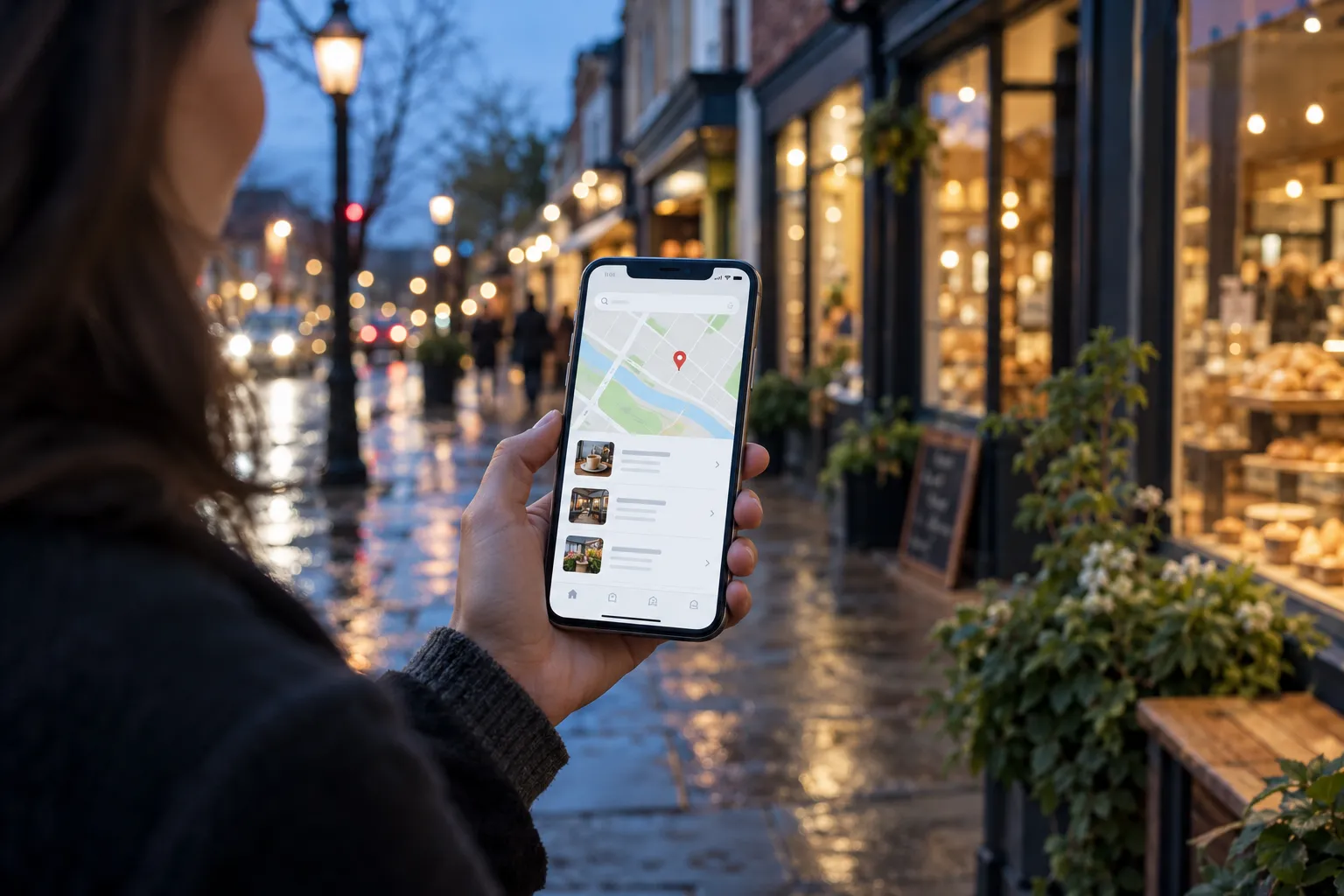
A phone held on an evening shopping street, showing a map with one red pin above a list of nearby businesses.

What is the local map pack?

The local map pack is the group of business listings displayed with a map in local Google search results. Customers can compare nearby providers and open their profiles. We check the information they find there alongside the website.

What decides the map results

Google says local results depend mainly on relevance, distance and how well-known a business is. Its guidance includes links and reviews among the information supporting that reputation. Source: Google Business Profile Help, local ranking (opens in a new tab).

We review how closely the profile describes your services, the areas you cover and the reviews and links supporting the business. Each finding has its own explanation in the plan.

Does the profile describe what you do?

We check the category, services, hours, phone number and website link. Google says business categories affect local ranking and recommends choosing a specific primary category that describes the business. Source: Google Business Profile Help, business categories (opens in a new tab).

We fix an outdated category or a link to the wrong page on the profile itself. You confirm the business facts first.

Find the old number before a customer calls it

We compare the website, profile and relevant listings for conflicting contact and location details. We correct the profile and list where each other discrepancy appears and what needs changing.

Google directs businesses that do not serve customers at their address to remove that public address and use a service area. Source: Google Business Profile Help, service areas (opens in a new tab).

Plan around the towns you actually serve

We ask which services you provide in each area and whether customers visit you or you visit them. Location pages need useful details about coverage and access. Your plan identifies those details before proposing another town page.

How do I get my business on Google?

Start with an eligible, verified Google Business Profile and accurate information about your services and location.

Google Business Profile setup comes with every website Digikor builds.

Keeping your site? We fix your Google Business Profile and list the other corrections.

Is SEO dead now with AI?

No, SEO still helps organize the business information customers look for in search results and AI answers.

We include questions people ask AI in the same research and page planning.

Give each service question a complete answer

Your service page should explain what you do, whom you help, where you work and how a request begins. Keep the supporting details beside the answer so readers can understand it on that page.

Google asks content creators to offer original information, firsthand knowledge and useful answers for their intended readers. Source: Google Search Central, helpful content guidance (opens in a new tab).

We identify where your pages need those answers and what evidence you can provide. On a new website, we build that explanation into the copywriting from the start.

What does AI search visibility mean?

AI search visibility means whether your business or pages appear in AI-generated answers, through a mention or a linked source. We distinguish an appearance from a website visit and an inquiry. Each tells you something different about how a customer found you.

Will SEO exist in 5 years?

Yes, we expect businesses will still need SEO to make their services findable and understandable. Our planning focuses on clear service information, accessible pages and useful answers. Those give you concrete work to review as search changes.

Our SEO company in NJ puts the priorities in writing

Your plan tells you which pages matter, what needs attention and what comes first. You can read the reasons alongside the recommendations and ask us to explain any item.

What is included in SEO work?

Digikor's SEO work includes search research, a page plan, website checks, a review of local business details and a measurement plan. The written scope identifies the deliverables for your business.

Keeping your website

You get the research, page briefs and a prioritized fix list your developer can follow. The list covers content gaps, website problems and corrections to business details. We fix your Google Business Profile ourselves; your developer makes the changes to your existing website.

Starting with a new website

Your new website includes the research, the SEO, the copywriting, the custom design and the launch kit. We plan the pages around the searches, write the answers and build the site with the technical checks included.

The launch kit gives you marketing materials such as social posts with images, header banners and print ads. You receive materials that match the website and explain the services it presents.

The call, the research, the plan, then the quote

  1. On the call, tell us what you sell, where you work and which customers you want more of. Bring your website address and the questions you want answered.

  2. We examine your website and the competing pages, research customer searches and prepare the plan.

  3. We explain the recommended priorities and whether the proposal covers recommendations for your developer or a new website.

  4. You receive one fixed quote after the call and the plan, before deciding on the proposed work.

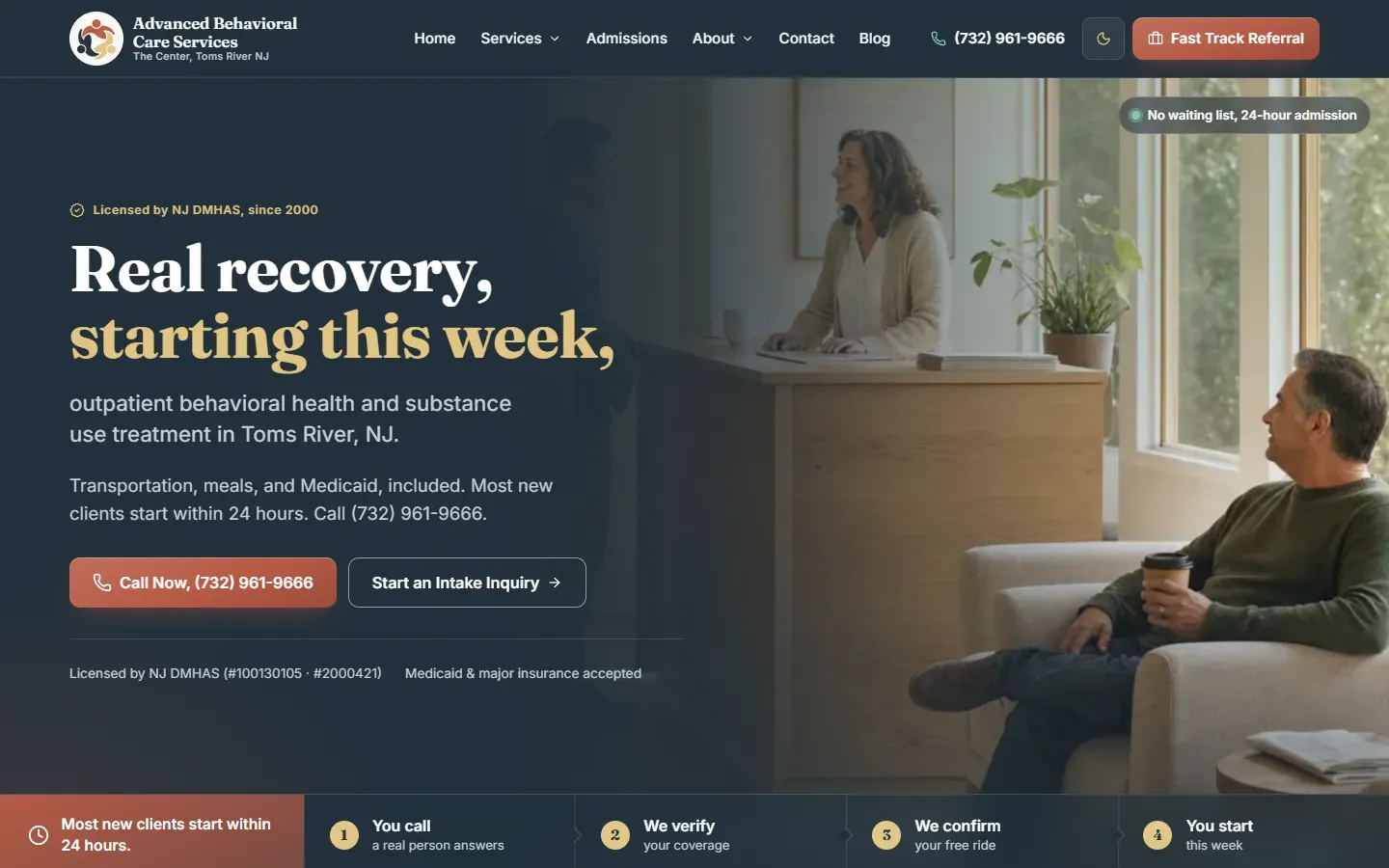
The Advanced Behavioral Care Services home page: the headline Real recovery, starting this week, call and intake buttons, and a photo of a sunlit reception room
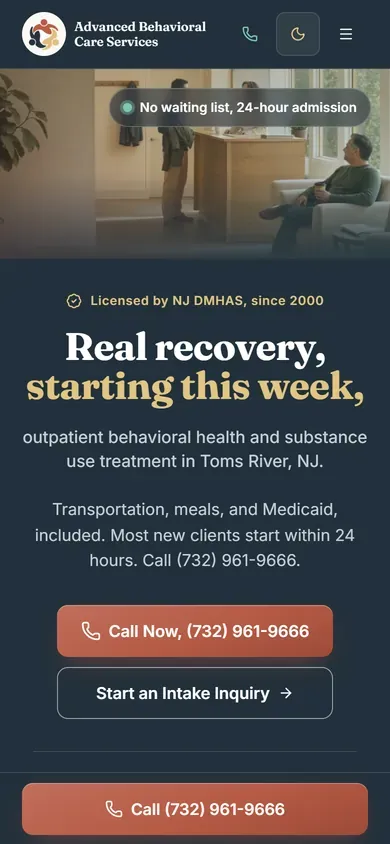
The Advanced Behavioral Care Services home page on a phone, with the call button pinned to the bottom of the screen
Advanced Behavioral Care Services, Toms River, New Jersey.

See how we give each customer question a place

Advanced Behavioral Care Services shows our page planning in a real website. Its Toms River site has separate pages for programs, admissions, insurance, transportation and service areas. Visitors can go to the information that matters to their decision.

Source: Advanced Behavioral Care Services (opens in a new tab).

Compare the program pages with the admissions route. One explains the options; the other helps someone take the next step. That is the kind of page purpose you should see in our plan.

Explore our latest projects

Ask us to explain the recommendation

You know your business. We explain how the search findings relate to it, so you can question the priorities and understand the proposal. Here is how one client describes working with us.

“Eli and his team go above and beyond and are extremely responsive.”

Chaim R., Google review, June 28, 2020. Read the review listing (opens in a new tab).

Read the report. Know the next step.

Our reporting explains the findings, what the available data shows and what needs attention next. We agree on the measures and review scope in the plan.

Example recommendation record

Finding
The service page does not explain which areas the business covers.
Recommended action
Confirm the coverage area and give those details to your developer to add to the existing page.
What to review
Whether searches reach that page and whether inquiries come from the areas served.

Separate appearances, visits and inquiries

  • Appearances tell you where your business or page showed up.
  • Visits count people reaching the website.
  • Inquiries record the contact actions we can measure.

We read the available search and website data alongside your feedback about inquiries. A request for a service you sell means something different from a call asking for work you do not offer.

Keep recommendations and completed work separate

For an existing site, the report identifies recommendations and any changes your developer confirms, with their dates and affected pages. For a new website, it records the agreed work in the build. You can see what still needs action and which pages to review next.

Is SEO still worth it in 2026?

Yes, when customers search for what you sell, SEO is worth evaluating against the inquiries your business needs. Our research shows which searches fit your services and where your current information falls short. That gives you a basis for deciding what work to fund.

How much does an SEO service cost?

Digikor gives you one fixed quote for the agreed scope after the call and the plan. Research and recommendations for your current site involve different work from building a new website. Your quote specifies which work it covers.

How long does SEO take?

Timing depends on your starting point, the work required and the searches you want to compete for. For an existing site, carrying out the recommendations also depends on your developer's schedule. We discuss timing around the agreed scope and review search performance separately from delivery.

Can you guarantee first place on Google?

No, we never promise first place. We commit to the work in your scope and explain what the research shows. You can inspect the plan, the recommendations and the deliverables.

Which SEO company is the best in New Jersey?

The best fit is the company that gives you a clear reason for each priority and a scope you understand. Ask what you receive, who carries out the recommendations and how progress will be reviewed. Compare those answers with the work your business needs.

What is the 80/20 rule in SEO?

It means focusing effort on the changes expected to matter most. We use research to put the priorities in order. A blocked service page needs attention before a minor wording preference; your fix list explains why.

Do I need a new website?

Not automatically: we assess your current site so you can decide whether to keep it or replace it. We explain what it needs so you can compare a developer's work on it with a new Digikor website. You choose between recommendations for your developer and a new build from us.

Can SEO work alongside advertising?

Yes, SEO and advertising can be part of the same marketing plan, with separate work and measurement. We discuss how each supports the services you want to sell. Explore our digital marketing services or read more on our blog.

Let's find what's standing between a search and a call.

Tell us what your business does and which customers you want to find you.

Call us

(917) 720-3446
Book a free call

Hours: Sunday through Thursday, 8 a.m. to 7 p.m.Friday, 8 a.m. to noon